



The kefir map
KEFIR CONNECT
Join KefirConnect: Register your water kefir culture, discover related cultures and help us make their network visible.
Registered kefirs
Connections
Participants
Discover Kefir Connect
Click through the nodes to find out what this is about and how to take part.
What is water kefir?
Water kefir is a slightly tangy, usually gently fizzy fermented drink. You can make it yourself at home with just a few ingredients: water, sugar, dried fruit, and so-called water kefir grains. A lemonade-like, fermented drink develops within a few days. The water kefir grains are small, living structures on which various bacteria and yeasts coexist. They are essential for fermentation.
On the following pages, you can read more about what water kefir tastes like, where it might have originated from, and how it differs from milk kefir and kombucha. You’ll also find step-by-step instructions for making your own kefir and learn why experimentation is expressly encouraged here. We’ll also explain why every water kefir culture is slightly different and how you can support us in our research.
Learn more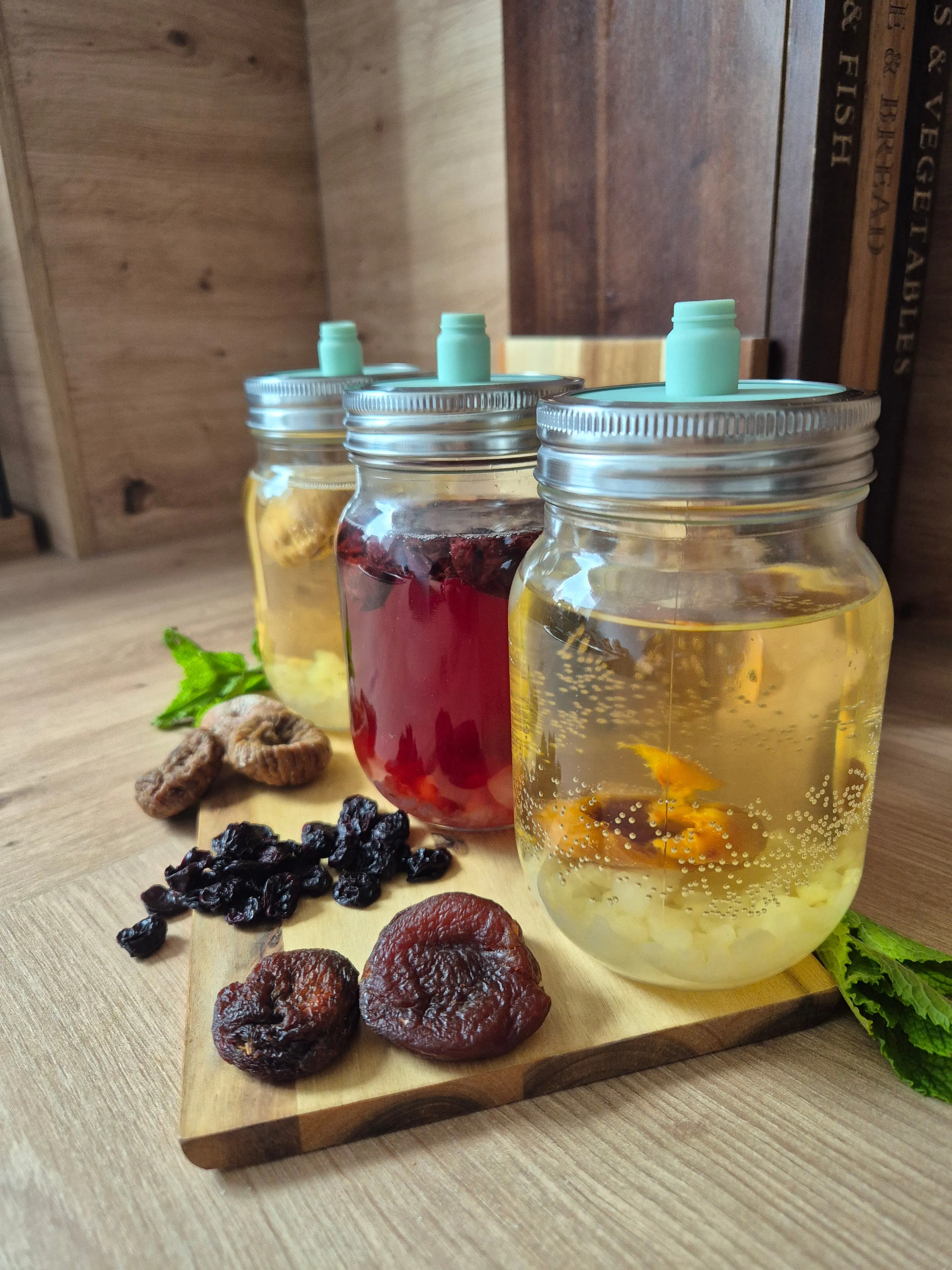
What is water kefir?
Water kefir is a slightly tangy, usually gently fizzy fermented drink. You can make it yourself at home with just a few ingredients: water, sugar, dried fruit, and so-called water kefir grains. A lemonade-like, fermented drink develops within a few days. The water kefir grains are small, living structures on which various bacteria and yeasts coexist. They are essential for fermentation.
On the following pages, you can read more about what water kefir tastes like, where it might have originated from, and how it differs from milk kefir and kombucha. You’ll also find step-by-step instructions for making your own kefir and learn why experimentation is expressly encouraged here. We’ll also explain why every water kefir culture is slightly different and how you can support us in our research.
Learn more What is citizen science?
Citizen science means that people outside traditional research institutions take an active part in scientific projects. They collect data, share observations or contribute their own knowledge. You don't need any scientific training – on the contrary: these projects thrive on many different people joining in.
This is exactly where Kefir Connect comes in. Water kefir cultures are usually cared for and passed on privately – through circles of friends, families or local fermentation groups. This creates a living network that has so far remained almost invisible.
By taking part, you help us draw a bigger picture: Where do water kefir cultures come from? How are they shared? And how stable does a microbial community stay as it passes through many hands? Every registered culture makes this network a little more visible.
Learn more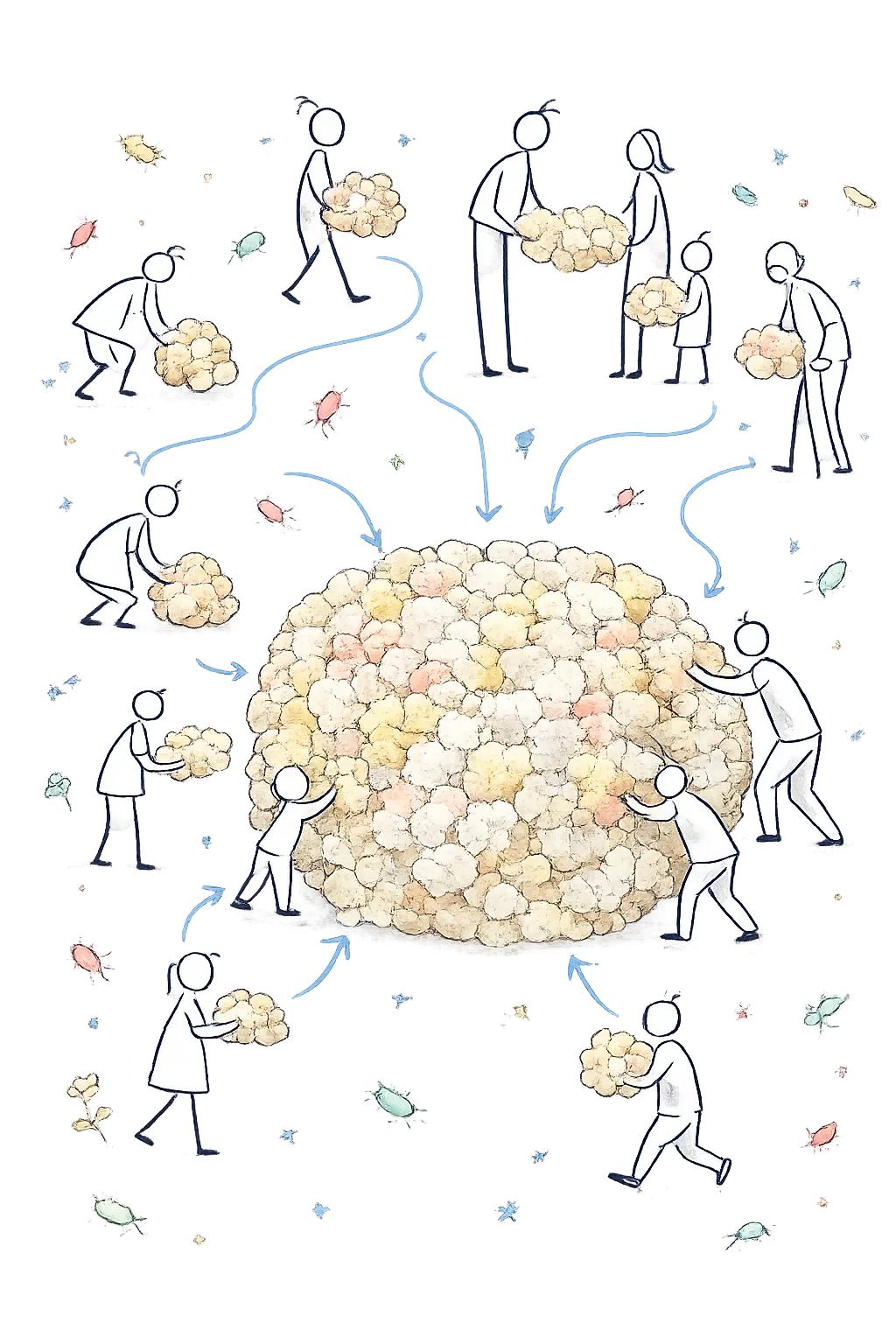
What is citizen science?
Citizen science means that people outside traditional research institutions take an active part in scientific projects. They collect data, share observations or contribute their own knowledge. You don't need any scientific training – on the contrary: these projects thrive on many different people joining in.
This is exactly where Kefir Connect comes in. Water kefir cultures are usually cared for and passed on privately – through circles of friends, families or local fermentation groups. This creates a living network that has so far remained almost invisible.
By taking part, you help us draw a bigger picture: Where do water kefir cultures come from? How are they shared? And how stable does a microbial community stay as it passes through many hands? Every registered culture makes this network a little more visible.
Learn moreThe map
The map is the heart of Kefir Connect: it shows where water kefir cultures live. Zoomed all the way out – like the first preview (Europe) – you see coloured-in countries and regions and can tell at a glance where many cultures are registered.
 Europe
 Zoom in closer, for example to Germany in the second preview, and the picture sharpens to states and regions. The deeper you go, the more precise the distribution becomes.
 Germany
 At marker level – like the last preview (Dresden) – the individual cultures finally appear as dots. Click a marker to see details about a culture. Once logged in, you can add your own culture right here.
 Dresden
 Move, zoom, click – just give it a try.
The diary
For every registered kefir you can keep a diary. To find it, open one of your cultures under “My kefirs” and switch to the “Diary” tab.
Each entry records one batch: how long it fermented, how much sugar, water and grains you used, any extra ingredients, and a short note, for example about the taste. The date is added automatically. Over time this builds up an overview and lets you see what worked well for your culture.
But before you can add anything to the diary, you first need to set up a batch. Here's how easy it is to make your own water kefir:
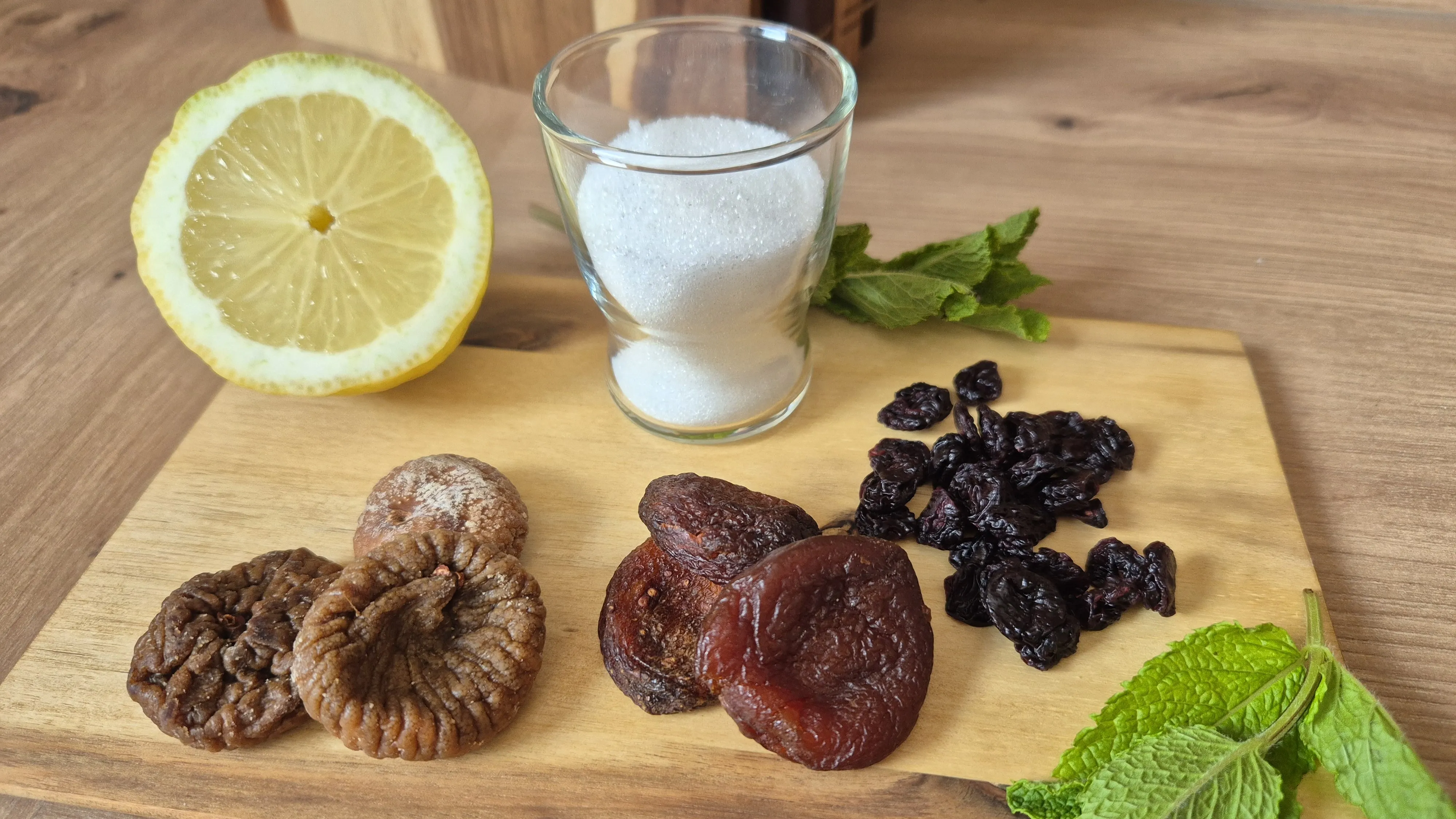
Ingredients
- 2–3 tbsp water kefir grains
- 500 mL water
- 3 tbsp sugar
- approx. 20 g unsulphured, preservative-free dried fruit
- optional: one slice of lemon without peel
Share & connect
So that individual jars become a network, you link your kefir to the cultures it is related to. You can only create connection links for registered kefirs. Here's how it works:
When you share (sender)
- 1 Open “Share” and select the kefir you mean.
- 2 Pick the right link: “Invite offshoot culture” for someone you give some of your kefir to – “Connect source kefir” for the person you got your kefir from.
- 3 Copy the link or let them scan the QR code, then send it to the other person.

When you're invited (receiver)
- 1 Open the link. If you're logged in, you land on a confirmation page showing the suggested kefir.
- 2 Choose your own kefir to connect and confirm the connection.
No account yet? Then you'll first land on the start page. Just register as usual – the connection is then made automatically afterwards, with nothing more to do.

You've been invited
Someone wants to connect their kefir with yours. Take your time to explore – as soon as you register or log in, the connection is made automatically.